
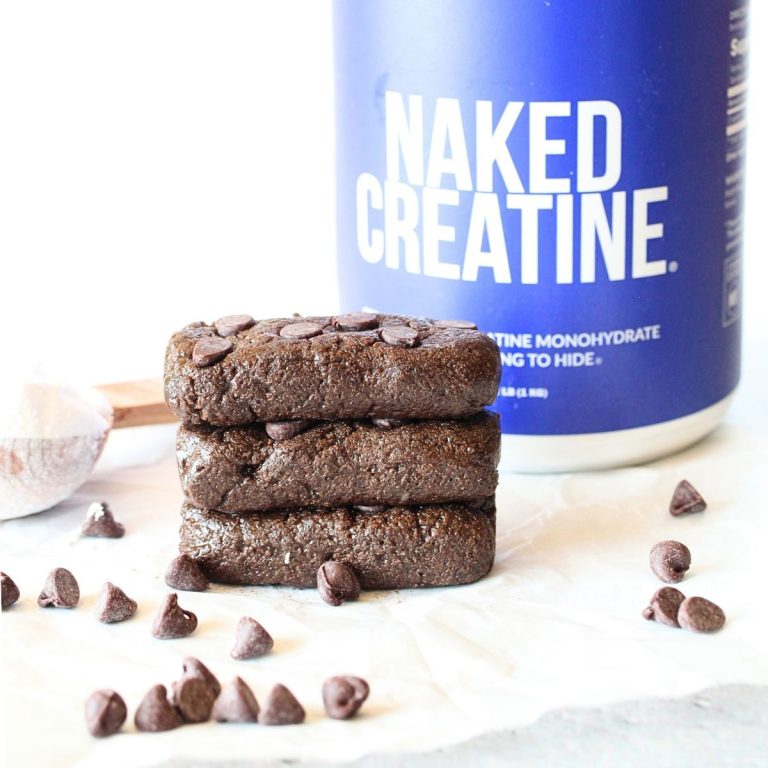
Homemade Keto Creatine Protein Bar lovers are going to be thrilled with this new recipe, especially because the flavour tastes like a rich, gooey brownie. This bar combines clean ingredients, muscle-supporting creatine, and keto-friendly fats to create a snack that feels more like dessert than a supplement. It’s easy to make, perfect for meal prep, and designed to give you steady energy without the sugar crash. Whether you’re fueling up before a workout or need a satisfying treat in the afternoon, this brownie-inspired bar delivers all the indulgence with none of the guilt.

Homemade Creatine Bar
If you’ve been searching for the perfect keto creatine protein bar that’s both delicious and effective, you’re in the right place. Whether you’re hitting the gym hard, managing a low-carb lifestyle, or simply want a quick, nutrient-dense snack that supports your goals, this homemade creatine bar recipe checks every box.
Store-bought protein bars are often loaded with hidden sugars, preservatives, and unnecessary carbs. By making your own easy sugar-free creatine bar, you control every ingredient—and that means better taste, better nutrition, and better results.
Let’s dive into why creatine deserves a place in your keto lifestyle, how to take it properly, and how to make these creamy, chewy bars that support muscle recovery, strength, and mental focus.
Why Creatine Is Important
Creatine is one of the most well-researched and effective supplements in the fitness world. It naturally occurs in the body and helps produce adenosine triphosphate (ATP)—your muscles’ primary source of energy during short, intense bursts of activity like weightlifting, sprinting, or HIIT.
Benefits of Creatine:
- Increased Strength and Power:
Creatine helps your muscles perform better during resistance training and high-intensity workouts. Over time, this can lead to significant gains in muscle size and strength. - Enhanced Muscle Recovery:
It helps your muscles recover faster after training, reducing soreness and improving your ability to perform consistently. - Brain Support:
Creatine isn’t just for muscles—your brain uses ATP too. Supplementation has been shown to support mental clarity, focus, and even mood in some studies. - Cellular Hydration:
Creatine draws water into muscle cells, creating a fuller look while also enhancing nutrient delivery and protein synthesis.
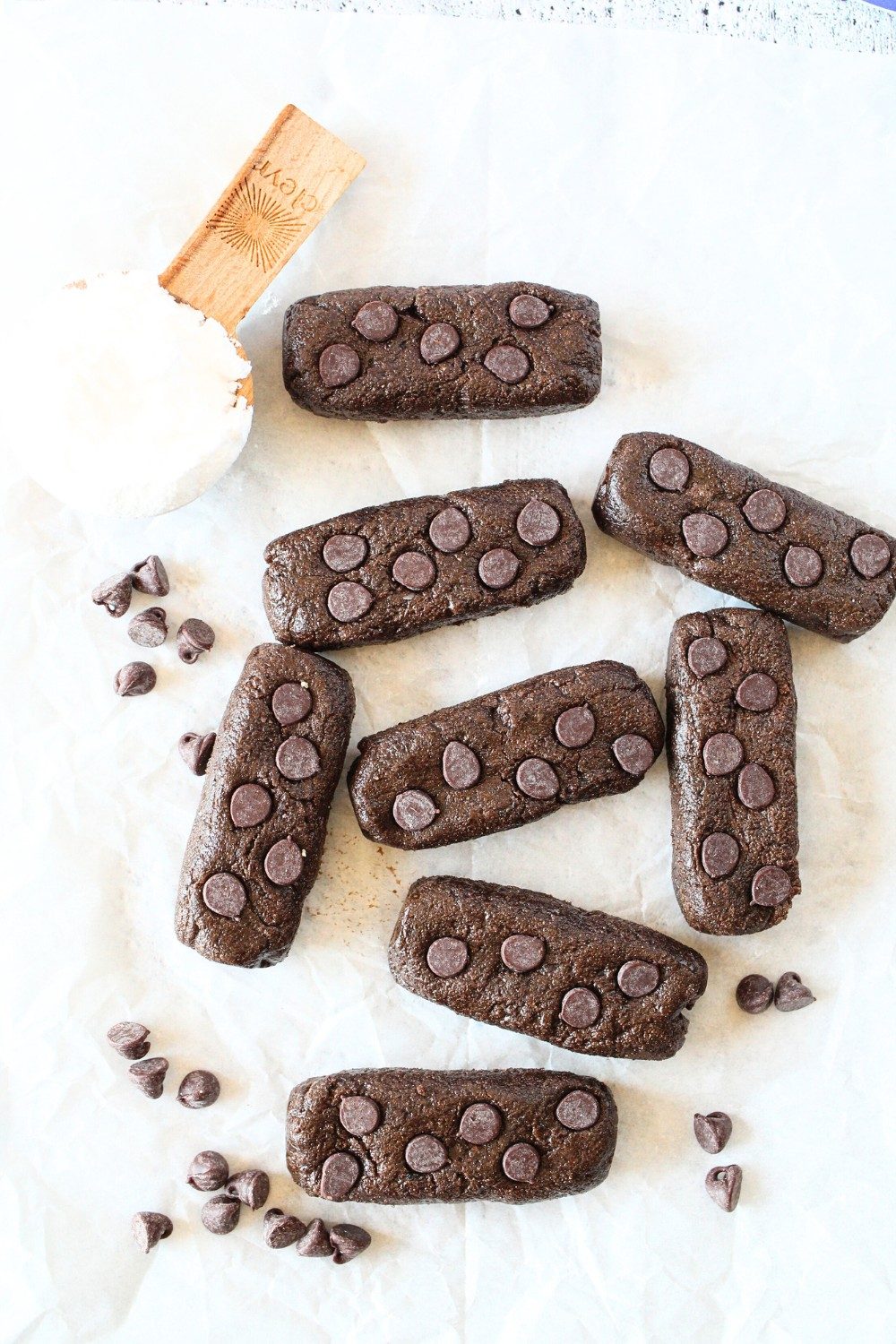
How to incorporate Homemade Keto Creatine Protein Bars into your day
For best results, you can take 3–5 grams of creatine monohydrate daily.
When you’re adding creatine to a homemade protein bar recipe, it helps to understand how to take it in a way that actually maximizes its benefits.
Creatine works by saturating the muscles with phosphocreatine, a stored form of energy that helps you push harder during strength training and recover faster afterward.
To reach and maintain this saturation, consistency matters far more than timing. Most people do well with 3–5 grams per day, taken at roughly the same time each day.
If you’re new to creatine, you can choose to follow a “loading phase” of 20 grams per day split into 4 doses for 5–7 days, but this isn’t required—it simply saturates the muscle a bit faster. Once saturated, daily maintenance keeps levels steady and effective.
Including creatine directly in a protein bar recipe is a convenient way to stay consistent with your intake, especially if you already rely on high-protein snacks to support your training routine.
Creatine monohydrate is the most researched and reliable form; it mixes easily into batters and no-bake recipes without losing potency. Because creatine is stable at room temperature but breaks down slightly when exposed to high heat, the most effective bars are no-bake creatine bars or low-heat versions.
Eating one bar per day that contains your full 3–5 gram serving ensures you’re getting the dose your muscles need without having to think about it. Pair your bar with regular hydration—creatine draws water into muscle tissue—and you have an easy, efficient way to make creatine work for you as part of your daily routine.
It doesn’t matter much when you take it—what matters is consistency. Some people prefer it before or after a workout (especially if combined with a protein shake or carb source for better absorption), while others take it anytime during the day.
This keto creatine protein bar makes it incredibly easy to get your daily dose—without the gritty texture or the need for a shaker bottle.

Why Make Your Own No-Bake Creatine Bar?
Homemade protein bars are one of the best-kept secrets of health-conscious meal prep. With just a few wholesome ingredients, you can make a snack that supports your low-carb, high-fat lifestyle while fueling your fitness goals.
Here’s what makes this recipe special:
- No sugar alcohol aftertaste
- No artificial preservatives
- Keto and gluten-free
- Portable, satisfying, and customizable
Unlike store-bought options, this creatine protein bar recipe gives you control over texture and sweetness. You can easily adjust the flavour to suit your preferences—think chocolate peanut butter, vanilla almond, or even coconut mocha.
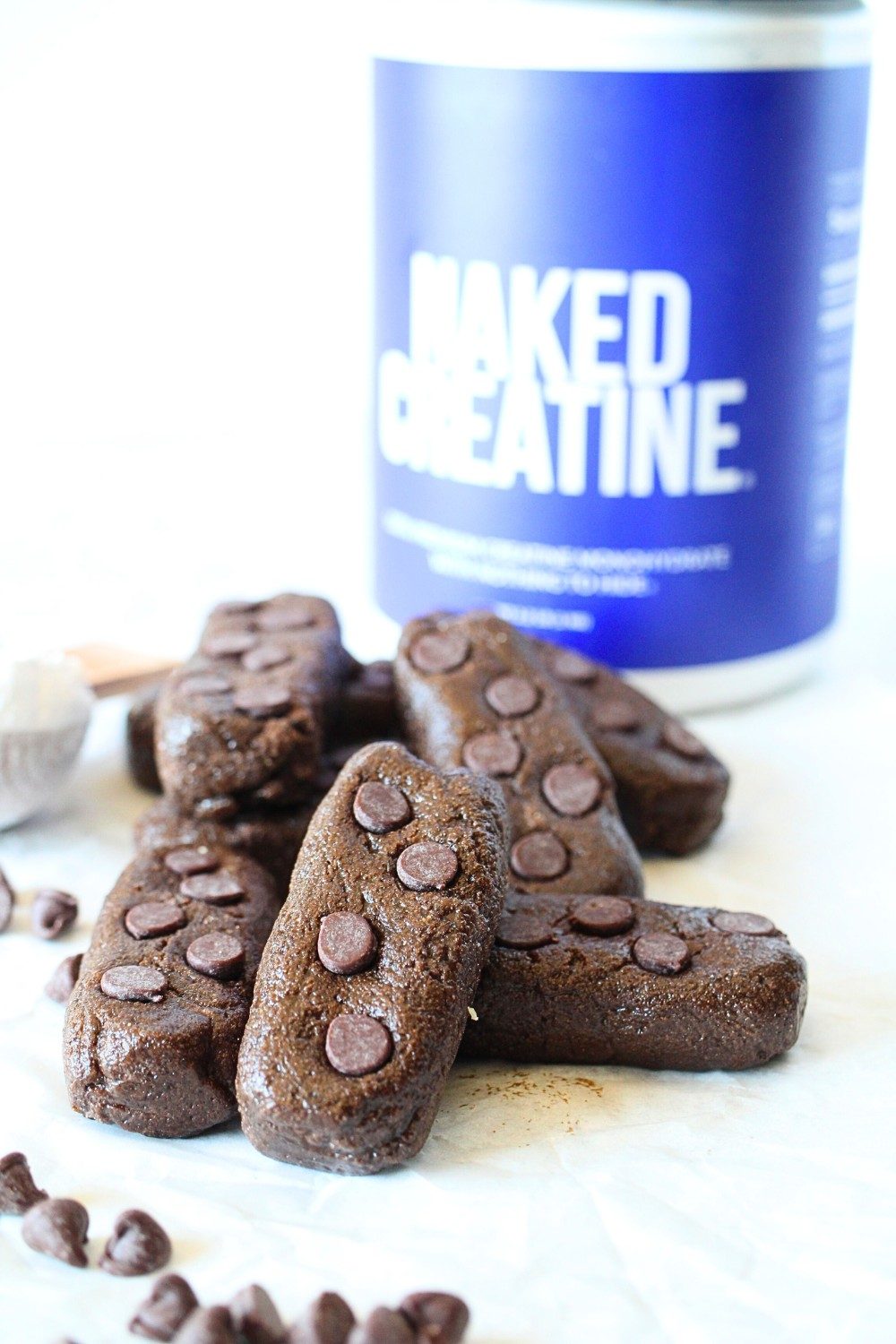
Creatine Protein Bar Recipe Ingredients
Let’s take a closer look at each ingredient and why it’s included. These are the building blocks that make your easy sugar-free creatine bar both delicious and functional.
1. Creatine Monohydrate
This is the key ingredient. It’s the purest and most well-researched form of creatine. Each bar provides around 3–5 grams—the ideal daily dose for muscle performance and recovery. Pro Tip: Choose a micronized creatine monohydrate, such as Naked Nutrition Creatine—it dissolves more easily and blends better into the bar.
2. Whey Protein Isolate (or Collagen Peptides)
Protein provides structure, recovery, and satiation.
- Whey protein isolate is high in leucine, which boosts muscle protein synthesis.
- Collagen peptides support joint and skin health, making this a great low-dairy alternative.
Both options are low in carbs and high in bioavailability—perfect for keto athletes.
3. Tahini (or any other Nut or Seed butter)
Nut and seed butters provide healthy fats, a creamy texture, and a satisfying mouthfeel. Almond butter is especially great for keto because it’s lower in carbs and higher in monounsaturated fats.
Go for natural tahini—just sesame seeds and salt, no added sugars or oils. Plus, the organic brand that I buy on Amazon (I actually buy a tub of it - 6.6 lbs!!!) has 5 grams of carbs of which 4 grams come from fiber! So not only does the tahini only add 1 gram of net carbs per tablespoons but also adds 4 grams of healthy fiber to the no-bake creatine bars.
4. Almond milk
Low in calories and carbs, unsweetened almond milk helps allow the creatine to dissolve as well as to help the ingredients stick together.
5. Casein or Almond Flour
A high protein staple that helps bind everything together while adding texture and mild sweetness. If you don't have a chocolate casein powder, you can always use almond flour instead which will keep the bars low in carbs and high in fiber and healthy fats.
6. Unsweetened Cocoa Powder
For chocolate lovers, this is a must. It provides antioxidants, magnesium, and flavour depth with minimal carbs.
7. Low-Carb Sweetener
You may or may not need to add additional sweetener to the recipe. Taste the recipe at the very end to decide how much sweetener you wish to add. To keep this keto creatine recipe sweet without the sugar crash, use:
- Allulose (best for smooth texture)
- Monk fruit
- Stevia
- Erythritol (for a little crunchier texture)
Avoid syrups with hidden carbs. Powdered or granulated sweeteners mix more evenly.
8. Sea Salt and Vanilla Extract
A pinch of sea salt enhances flavour and replenishes electrolytes—especially helpful for those on keto. Vanilla extract rounds out the sweetness and brings everything together.
9. Optional Add-Ins
You can customize your bars with:
- Chopped nuts for crunch
- Unsweetened shredded coconut for texture
- Sugar-free chocolate chips for an antioxidant boost
- MCT oil powder for extra ketone support
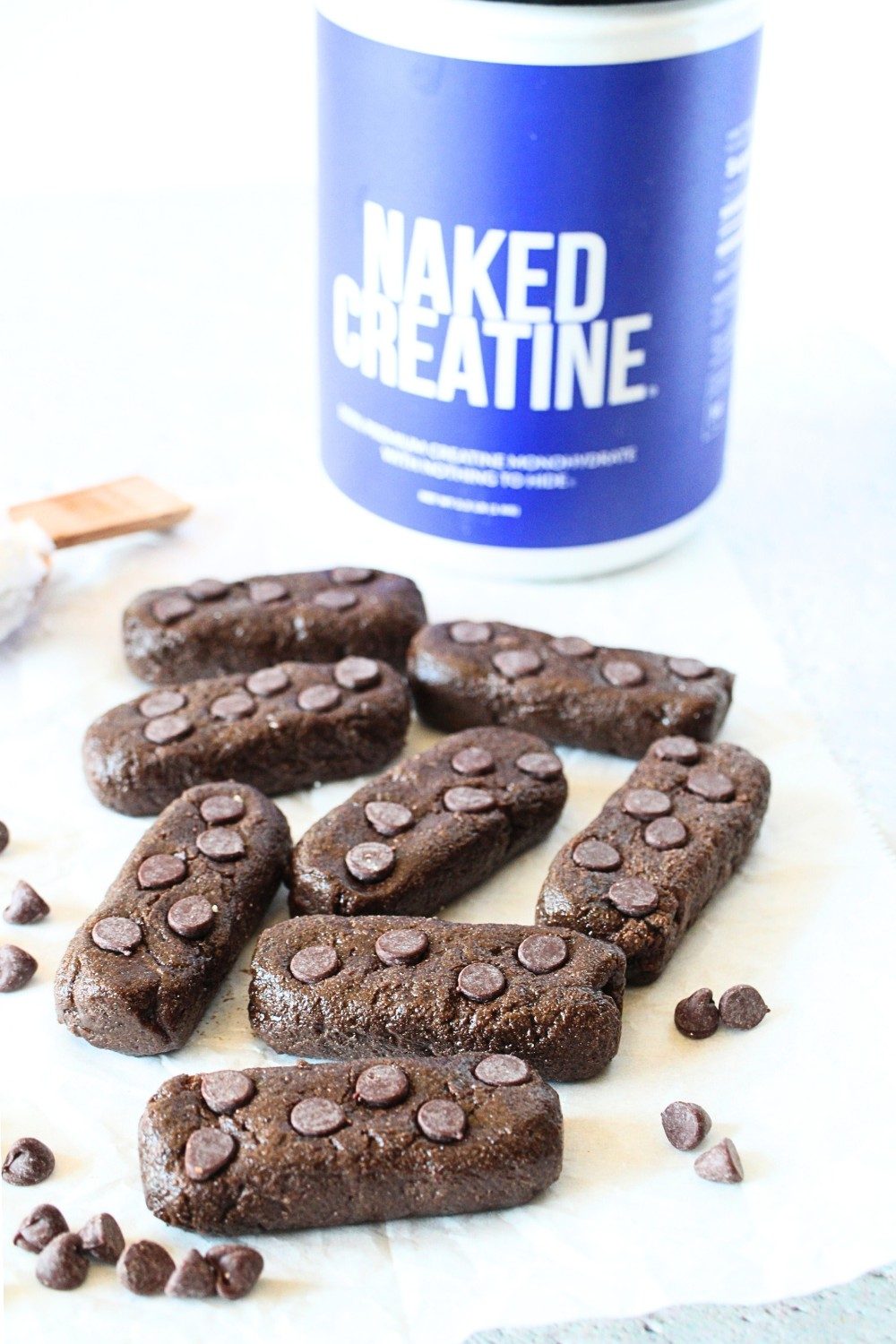
Why the Company You Get your Creatine from matters
Picking a quality creatine is important. Some companies add fillers like maltodextrin, artificial flavours, or unnecessary sugars that dilute the effectiveness of the creatine. Others may use lower-purity creatine sources that contain contaminants or heavy metals, reducing both safety and performance.
Naked Nutrition Creatine is one of the cleanest and most trusted creatine options on the market, which makes it an ideal choice for a homemade keto creatine protein bar.
It contains only pure, micronized creatine monohydrate—no fillers, artificial flavours, sweeteners, or unnecessary additives—so you know exactly what you’re putting into your recipe and your body.
The micronized texture helps it blend smoothly into no-bake bars without grittiness, and its high level of purity ensures excellent absorption and consistent results.
Because creatine monohydrate is the most researched and proven form of creatine for strength, power, and muscle recovery, choosing a brand that prioritizes quality and transparency matters.
Naked Nutrition’s strict third-party testing and commitment to single-ingredient supplements make it a standout option, especially for people following ketogenic or clean-ingredient lifestyles who want every component of their protein bar to support performance, health, and simplicity.
Why These Bars Work So Well for Keto
Keto isn’t just about cutting carbs—it’s about fueling your body efficiently. This bar offers:
- Low net carbs
- High-quality fats and proteins
- Muscle-building creatine
- No artificial fillers
The combination of protein + fat + creatine provides steady energy, making it an excellent pre-workout, post-workout, or midday energy boost.
When to Eat Your Keto Creatine Protein Bar
You can enjoy these bars:
- Pre-workout: for energy and creatine loading
- Post-workout: for recovery and muscle repair
- As a snack: to curb hunger and keep blood sugar stable
- During travel or busy days: when you need a quick, low-carb meal replacement
Each bar packs balanced macros to support fat-burning and muscle maintenance—two pillars of the keto lifestyle.

Storage Tips
- Refrigerator: Store in an airtight container for up to 2 weeks.
- Freezer: Freeze for up to 3 months—just thaw overnight before eating.
- Room temperature: Keep in a cool, dry place for up to 3–4 days, depending on climate.
How to make Sugar-free Creatine Bars
- Melt & Mix:
In a small saucepan or microwave-safe bowl, melt tahini, almond milk and vanilla extract and stir until smooth. - Combine Dry Ingredients:
In a large mixing bowl, whisk together protein powder, creatine monohydrate, almond flour, sweetener, sea salt, and cocoa powder (if using). - Mix Wet and Dry:
Pour the warm almond butter mixture into the dry ingredients. Add vanilla extract and stir until well combined.
The dough should be thick but pliable. If it’s too dry, add 1–2 teaspoons of almond milk or coconut oil; if too wet, add a little more almond flour, casein or oat fiber. - Press and Shape:
Weigh the homemade creatin bar "dough" and divide it by 8. Press the dough into the silicon protein molds or line an 9x5-inch pan with parchment paper. Press the mixture firmly.

- Chill:
Refrigerate for 30–45 minutes or until firm. - Store:
Keep bars in an airtight container in the fridge for up to 2 weeks, or freeze for longer storage.
Homemade Keto Creatine Protein Bar Nutrition Facts
(May vary based on ingredients)
- Calories: 189
- Fat: 9g
- Protein: 20g
- Net Carbs: 2g
- Creatine: 5-10g
Final Thoughts
These Easy Homemade Keto Creatine Protein Bars are more than a snack—they’re a tool to help you perform better, recover faster, and stay consistent with your nutrition goals. By combining the power of creatine with keto-friendly fats and proteins, you’re giving your body exactly what it needs to thrive.
Whether you’re a lifter, runner, busy parent, or simply someone who wants better energy and focus throughout the day, these bars are your secret weapon. Simple to make, easy to store, and delicious to eat—your new go-to keto creatine recipe is here to stay.
More Homemade Protein Bar recipes

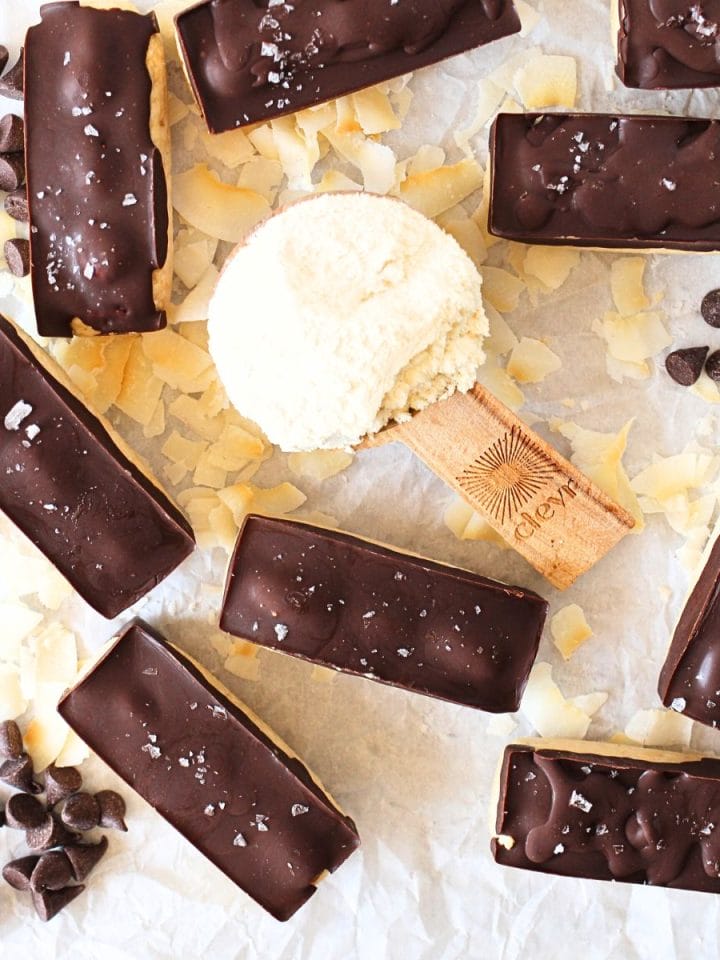



Easy Homemade Keto Creatine Protein Bar
Homemade Keto Creatine Protein Bar lovers are going to be thrilled with this new recipe, especially because the flavour tastes like a rich, gooey brownie. This bar combines clean ingredients, muscle-supporting creatine, and keto-friendly fats to create a snack that feels more like dessert than a supplement. It’s easy to make, perfect for meal prep, and designed to give you steady energy without the sugar crash.
- Total Time: 10 minutes
- Yield: 8-12 bars 1x
Ingredients
- 120 g tahini (or other nut or seed butter)
- 100 g unsweetened almond milk
- 1 tsp vanilla extract
- 40-80 g creatine powder, plain*
- 2 tbsp black cocoa powder (or unsweetened cocoa powder)
- 100 g chocolate whey protein powder
- 34 g chocolate casein **
- 2-3 tablespoon sweetener of choice***
- optional - pinch of salt
Instructions
- In a small bowl, combine the tahini, almond milk and vanilla. Place bowl in microwave for 30 seconds. Stir the ingredients together.
- Add in the creating and stir. Next, add in the cocoa powder and stir, followed by the whey. The mixture will most likely be very sticky at this point.
- Lastly, add in the casein and stir (you may need use your hands to fully incorporate all the ingredients. If the mixture seems to sticky, add additional casein and/or almond flour. If the mixture seems too dry, add in a tablespoon of water.
- Once mixture comes together, taste and knead in additional sweetener and/or salt to taste.
- Weight the dough (I ended up with 413 grams) and divide it evenly into 8 silicon protein bar molds.
- Place in the fridge to firm.
Notes
* You can use 40 grams if you only want 5 grams of creating per bar or use 80 grams if you want 10 grams of creatine per bar
** Depending on your whey and casein, you may need more or less quantities - also, feel free to replace the casein with some almond flour or oat fiber
*** Add as much sweetener or as little sweetener as you wish, depending on your preference
- Prep Time: 10 minutes
- Cook Time: 0 minutes
- Category: Desserts, Snack
- Method: No-Bake
- Cuisine: Keto, sugar-free, low carb
- Diet: Gluten Free
Nutrition
- Serving Size: 1 bar (approx. 50 g)
- Calories: 189
- Sugar: 0.2
- Fat: 9
- Carbohydrates: 6.4
- Fiber: 4.4
- Protein: 20
Leave a Reply