
This Sugar-free Homemade Creatine Chocolate Protein Bar is one of those recipes that came out of pure necessity—wanting all the benefits of creatine without the bloating, stomach pain, sugar, or gimmicks that come with so many commercial products.

Sugar-free Creatine Bar
If you’ve ever tried to “do creatine right,” you already know the struggle. You’re told to load it. You’re told to drink it on an empty stomach. You’re told gummies are easier. And then… your stomach revolts, you feel bloated, or you realize the product you bought doesn’t actually contain what the label promised. That’s exactly why this bar exists—and why it’s become a staple in my routine.
This post is equal parts nutrition education, creatine myth-busting, and simple, functional recipe you can actually use.
PS - if you are looking for more creatine recipes, check out this Easy Homemade Keto Creatine Protein Bar
Why Creatine Is One of the Most Researched Supplements Ever
Creatine is one of the few supplements that consistently delivers real, measurable benefits—and it’s backed by decades of research. At its core, creatine helps your body regenerate ATP, which is the primary energy currency of your cells. More ATP means better performance and faster recovery.
Benefits of creatine include:
- Increased muscle strength and power
- Improved lean muscle mass
- Enhanced recovery between workouts
- Better sprint and high-intensity performance
- Potential cognitive and neuroprotective benefits
- Support for aging muscle and bone health
Creatine isn’t just for bodybuilders. It’s beneficial for:
- Athletes
- Active adults
- People lifting weights
- Those trying to preserve muscle as they age
In other words, if you want your muscles to perform better—and recover faster—creatine earns its reputation.
Why Some People Need a Creatine Loading Dose
A creatine loading phase is designed to saturate your muscle stores quickly. Instead of waiting weeks for levels to build gradually, loading helps you reach optimal levels in about 5–7 days.
Typical loading protocol:
- ~20 grams per day
- Split into 4 doses of 5 grams
This is where problems often start.
Taking large doses of creatine—especially on an empty stomach—can cause:
- Bloating
- Cramping
- Diarrhea
- Nausea
And for many people, that discomfort is enough to make them quit entirely.
Why Creatine Can Cause GI Distress (Especially on an Empty Stomach)
Creatine pulls water into muscle cells. That’s part of how it works—but it’s also why it can irritate the GI tract if taken improperly.
When you take a high dose of creatine powder mixed with water, especially without food:
- It can sit in the stomach longer
- It increases osmotic pressure
- It draws water into the intestines
That combination is notorious for causing GI upset.
This is exactly why pairing creatine with protein and fat is such a game-changer. Food slows digestion, improves absorption, and dramatically reduces stomach issues.
Which brings us to this bar.
Why This Creatine Bar Recipe Is Perfect for a Creatine Loading Dose
This sugar-free homemade creatine protein bar:
- Delivers a meaningful dose of creatine
- Buffers digestion with protein and fat
- Avoids sugar, fillers, and artificial junk
- Eliminates bloating and stomach pain
Instead of chugging gritty creatine water and hoping for the best, you’re eating a clean, functional bar that actually supports absorption.
It’s simple. It works. And your stomach will thank you.
Here are the two types of creatine I use when making my homemade creatine chocolate protein bar:
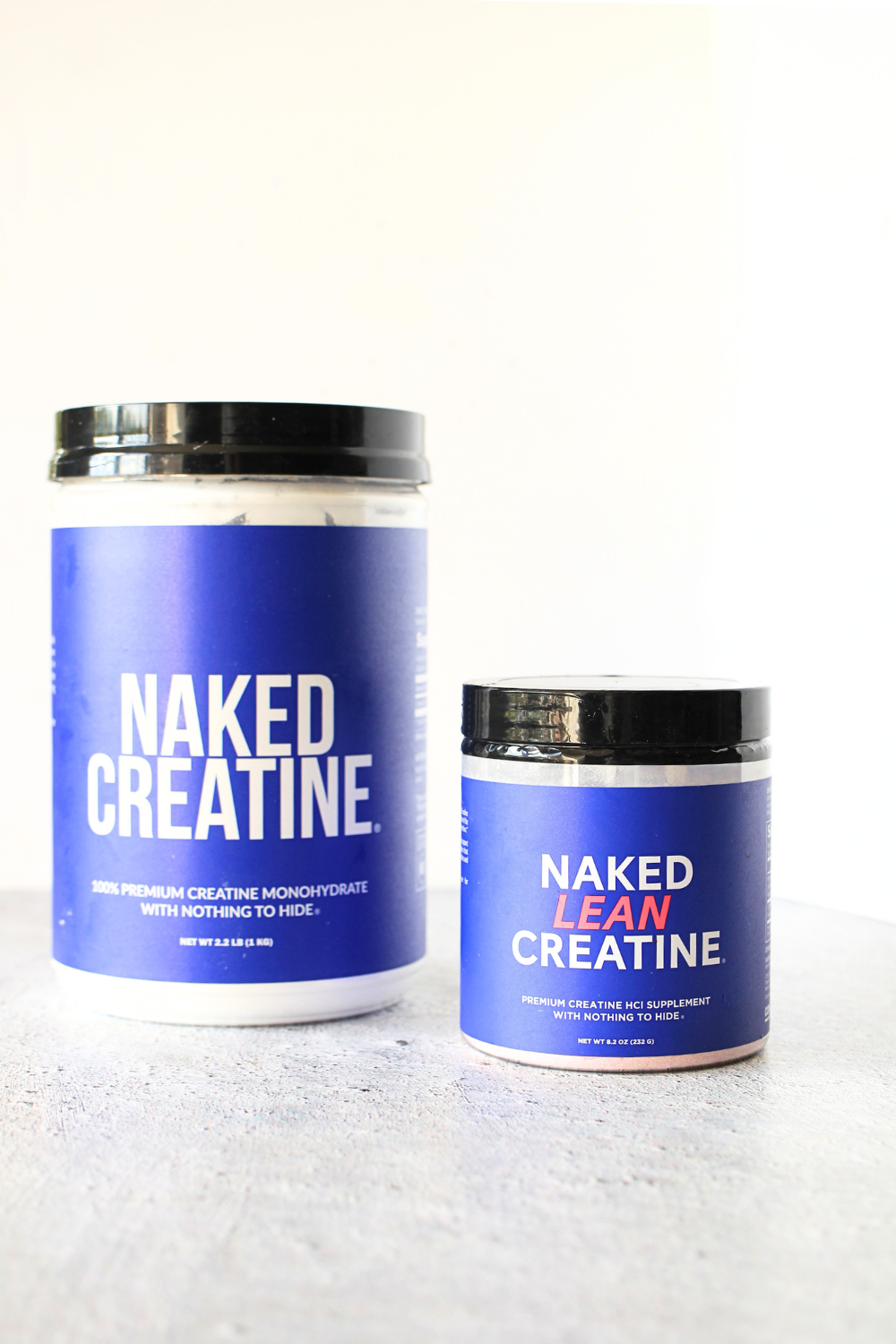
Naked Creatine and Naked Lean Creatine. Both of these protein powders work well but I will say that the Naked Creatine HCL did give these homemade creatine chocolate protien bars a little fuity zing to the bar. When i spoke to the company, they said that although the powder is "plain", when consumed in a high concentration (ie. in a protein bar and not dissolved in water), I was mostly likely tasting the prickly pear which is how the creatine is derived.
Why Creatine Gummies Don’t Work (and Are Mostly a Marketing Scam)
Creatine gummies look convenient—but they’re one of the worst ways to take creatine.
Several independent analyses have shown that many creatine gummies do not contain the amount of creatine listed on the label. Some contain only trace amounts. Others degrade before you even consume them.
Here’s why:
1. Creatine and water don’t mix well
Creatine is unstable in liquid form. When mixed with water, it begins to break down into creatinine over time, which is far less effective.
2. Gummies are water-based
Gummies are made with heat, moisture, and storage time—all enemies of creatine stability.
3. Sugar and fillers dilute dosing
To make gummies palatable, manufacturers add sugar or sugar alcohols, which limits how much creatine can realistically be included.
So even if a gummy claims to contain creatine, chances are:
- The dose is too low
- The creatine has degraded
- You’re getting more sugar than benefit
Bottom line: Creatine gummies are convenient—but ineffective.
Why Water and Creatine Aren’t a Great Long-Term Combo
Mixing creatine into water and letting it sit is another common mistake. Once creatine is dissolved in liquid, it begins to degrade—especially if exposed to heat or time.
That’s why:
- Pre-mixed creatine drinks are unreliable
- Gummies don’t work
- Liquid creatine supplements fail
Dry, high-quality creatine powder taken immediately—or mixed into food—is the most stable and effective option.

Why Quality Matters More Than Dose When Buying Creatine
Not all creatine is created equal.
Low-quality creatine can:
- Contain contaminants
- Cause bloating
- Lead to GI distress
- Be poorly absorbed
This is why I personally recommend Naked Creatine!
Why this creatine stands out:
- Creatine HCl is easier to digest
- Requires a smaller dose
- No fillers, flavors, or sweeteners
- No bloating
- No stomach pain
I’ve used this creatine consistently without any GI issues—which is rare and incredibly valuable, especially during a loading phase.
When it comes to creatine, cheap is expensive. Always buy high quality.
Why This Bar Works So Well for Creatine Absorption
This bar combines:
- Protein (for insulin response and muscle repair)
- Fat (to slow digestion)
- Creatine (protected from water degradation)
The result is smoother digestion, better absorption, and zero stomach drama—even at higher doses.
Homemade Keto Creatine Bar Recipe
This recipe is intentionally simple and functional.
Ingredients (and why they matter)
Unsweetened Baker’s Cocoa
Provides rich chocolate flavor without sugar. Cocoa also contains antioxidants and pairs well with protein powders.
Cocoa Butter or Coconut oil
You can use either of these ingredients - once heated, they add the necessary "liquid" to dissolve the creatine and protein powders.
Naked Collagen and/or Whey Protein Powder
Collagen supports joint health, skin, and connective tissue as well as adds structure and improves texture without overpowering flavour. Whey Protein Powder boosts muscle protein synthesis and helps buffer creatine digestion. Whey also improves insulin response, which supports creatine uptake.
Creatine (preferably Naked Creatine HCl)
The star of the show. Stable, potent, and gentle on the stomach.
Optional - Additional sweetener - One reader stated that they were a little bitter for her, so I added this optional ingredient to make these creatine chocolate bars as sweet as you like.

Creatine Bar Recipe Instructions
- Gently melt the unsweetened Baker’s cocoa and cocoa butter/coconut oil in the microwave
- Remove from heat and stir in the collagen, whey protein powder, and creatine - taste and add additional sweeteness if desired.
- Mix thoroughly until smooth and evenly combined
- Pour the mixture into silicone molds
- Place molds in the freezer until firm
That’s it.
No baking. No sugar. No nonsense.
How to Use These Bars for Loading
You can easily:
- Divide your daily loading dose across 2–4 bars
- Eat them with meals or post-workout
- Avoid taking creatine on an empty stomach
This approach makes loading comfortable, effective, and sustainable.
Final Thoughts
Creatine works—but only if you take it correctly.
This Sugar-free Homemade Creatine Chocolate Protein Bar solves multiple problems at once:
- No GI distress
- No sugar
- No degraded creatine
- No misleading gummies
It’s simple, effective, and built on real physiology—not marketing hype.
If you care about performance, recovery, and long-term muscle health, this is one of the smartest ways to use creatine.
More Keto Protein Bar Recipes

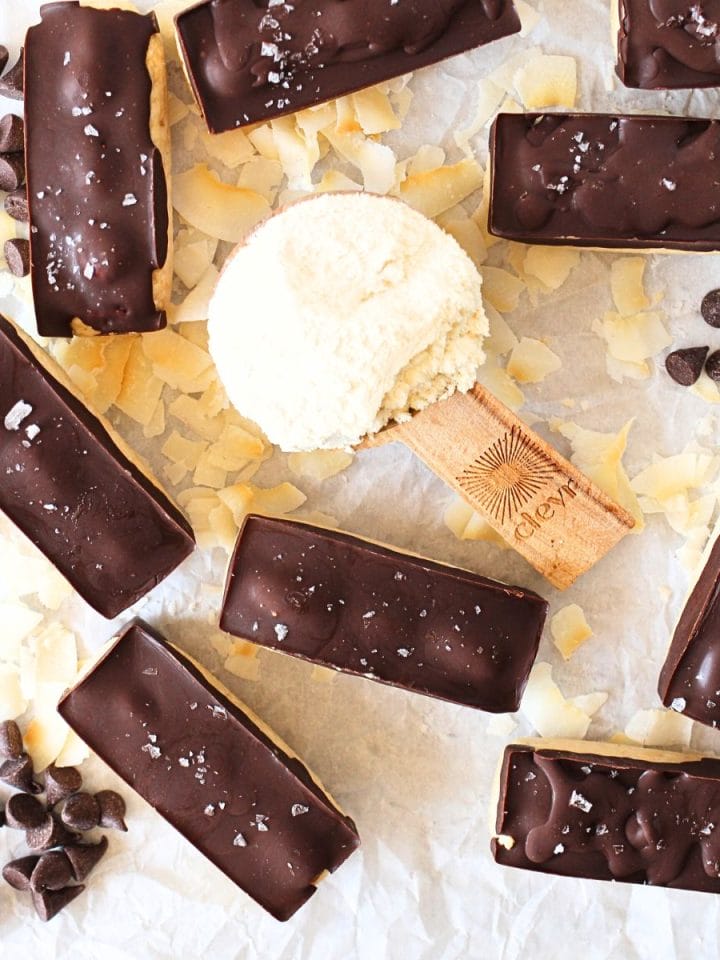


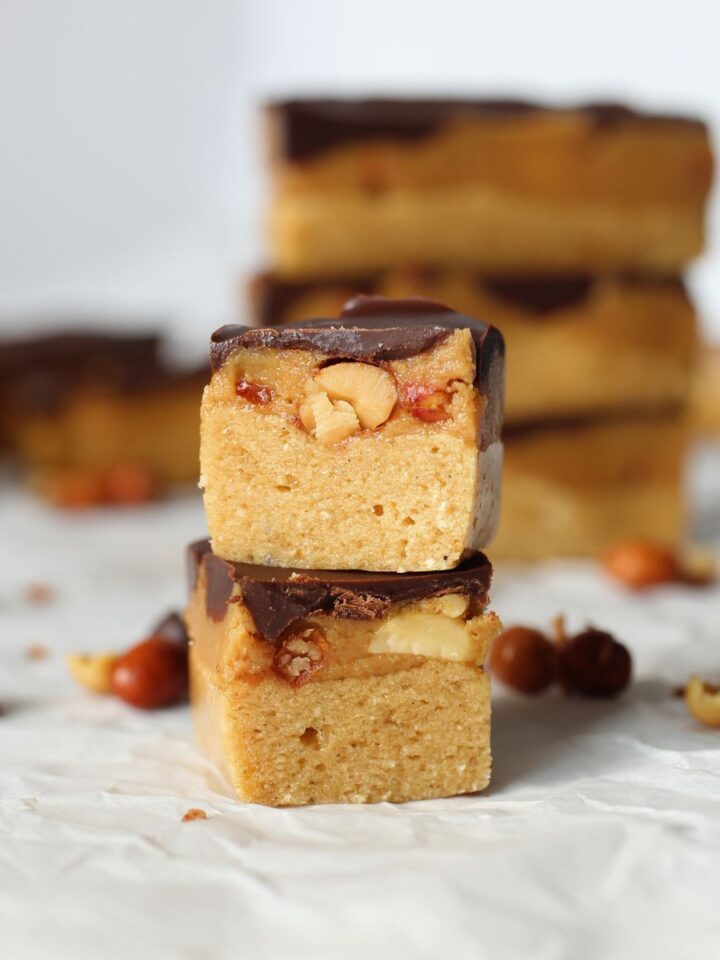

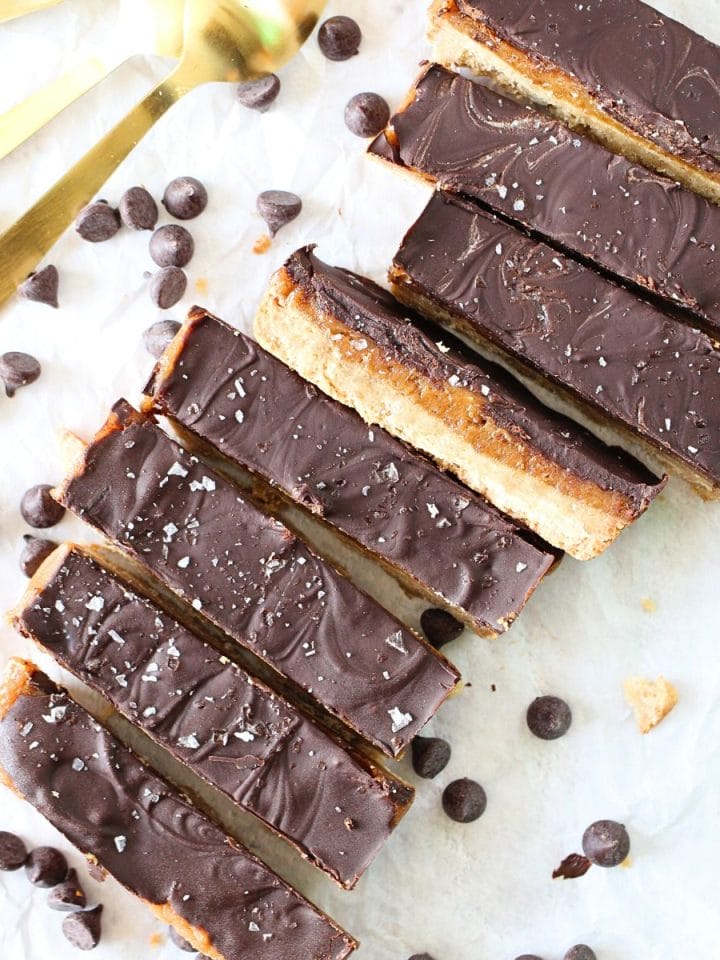
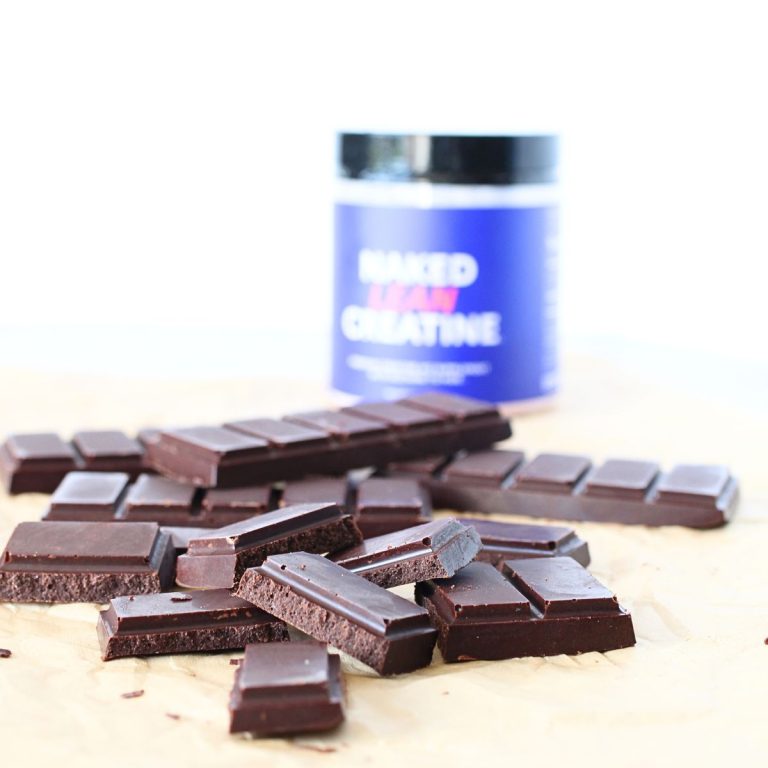
Sugar-free Homemade Creatine Loading Dose Protein Bar
This Sugar-free Homemade Creatine Protein Bar is one of those recipes that came out of pure necessity—wanting all the benefits of creatine without the bloating, stomach pain, sugar, or gimmicks that come with so many commercial products.
- Total Time: 5 minutes
- Yield: 30 pieces 1x
Ingredients
- 1 package (8 oz) Baker's Unsweetened Chocolate, chopped
- 4 tbsp cocoa butter or coconut oil
- 6 x 5g creatine (one serving for each bar)
- 6 tbsp collagen powder or whey protein powder, sweetened or unsweetened (I used Naked Caramel Collagen powder)
- keto sweetener to taste
- 1 tsp vanilla
- pinch of salt
Instructions
- Add the chopped chocolate and cocoa butter (or coconut oil) to a microwave bowl and toss to coat the chocolate in oil. Add the bowl to the microwave for 45 seconds. Stir and repeat in 20 second bursts until chocolate has fully melted.
- Stir in the creatine powder, collagen (if using) vanilla, salt and 2-4 tablespoon of sweetener. Taste and add additional sweetener to taste. Carefully spoon (or pour) chocolate mixture into each mold. Tap mold gently on the counter to settle the chocolate and remove air bubbles.
- Place in the fridge or freezer to firm.
Notes
- This is the mold I used and I placed 1-5 grams of creatine in each section
- Feel free to omit the collagen if you wish
- Feel free to add additional ingredients such as espresso powder, chopped nuts or any other additions.
-
Using cocoa butter gives a firmer “Hershey-style” snap.
-
Coconut oil creates a slightly softer melt but still firms well when chilled.
-
Powdered allulose provides the smoothest texture and most milk-chocolate-like taste.
- Prep Time: 5 minutes
- Cook Time: 0 minutes
- Category: Desserts, Snack
- Method: No-Bake
- Cuisine: Keto, sugar-free, low carb
- Diet: Gluten Free
Nutrition
- Serving Size: 1 small square
- Calories: 42
- Sugar: 0.6
- Fat: 3.6
- Carbohydrates: 1.2
- Fiber: 0.6
- Protein: 1
Cat says
I actually like the taste of very dark chocolate but if you would like them sweetener, feel free to use half sweetened chocolate chips (ie. 4 oz Bakers and 4 oz chocolate chips) or you can simply add additional allulose until your desired sweetness is reached. Also, I am not sure which creatine powder you are using but maybe there is a taste to it that also may be lending itself to the bitterness?
Cat says
Sorry about that! I ended up making these more with Collagen then whey but you can use either. I changed the recipe card to reflect this!
Emma says
I was so pleased to see this recipe. I made it yesterday. I don’t think I used enough allulose, the bars are a bit too bitter. How much do you suggest for the 8 oz of Baker’s dark chocolate?
I have never been disappointed when I try your recipes! Many thanks.
Emma
d says
I don't see Whey protein powder listed in the ingredients on the recipe card.