
If you have been suffering from SIBO, high cholesterol and constipation, today might be the day that you start to heal from any (or all!) of these conditions! I have been going through countless tests, pills, programs and diets over the past 15 years and can finally say that I have alleviated most of my SIBO, Cholesterol and constipation issues!

Why write a post on SIBO, High Cholesterol and Constipation
If you are actually reading this post, then I feel for you! Let's face it, you wouldn't be reading this post if you weren't suffering from SIBO, High Cholesterol or constipation, right? And trust me, after 15 years of suffering, I know just how depressing these conditions can be.
Countless doctor appointments, tons of blood work, all kinds of crazy tests, a plethora of different supplements, hoping that this one pill will finally do the trick...and when nothing works, you get fairly depressed!
So, although I would definitely consider myself a very private person, I am actually going to tell you my story of all I have gone through and what has finally actually helped me.
Although each person and case is unique, if I can even help a handful of people who have suffered like myself, then the time, energy and money I have put into trying to rid myself of these conditions will have been well spent!
What is SIBO
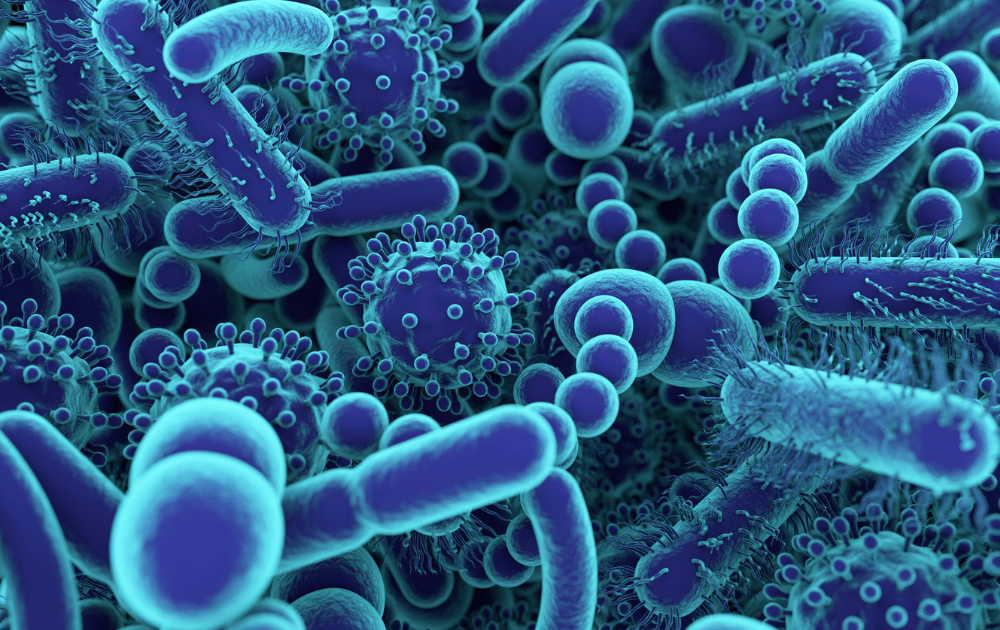
Small intestinal bacterial overgrowth (SIBO) occurs when there is an abnormal increase in the overall bacterial population in the small intestine — particularly types of bacteria not commonly found in that part of the digestive tract. This condition is sometimes called blind loop syndrome.
SIBO commonly results when a circumstance — such as surgery or disease — slows the passage of food and waste products in the digestive tract, creating a breeding ground for bacteria. The excess bacteria often cause diarrhea or constipation and may cause either weight loss or weight gain as well as malnutrition.
While SIBO is often a complication of stomach (abdominal) surgery, this condition can also result from structural problems and some diseases. Sometimes surgery is needed to correct the problem, but antibiotics are the most common treatment.
When I was diagnosed with methane-dominant SIBO, they labeled it as "idiopathic" which means "no known cause". Without knowing why I had developed SIBO, I decided to get on the FODMAP diet to help reduce my symptoms. However, as much as I tried to follow this diet, it was very difficult. When I realized that almost all fats and proteins were not high FODMAP foods, I turned to a Keto diet which improved my symptoms by about 50%.
What are the signs and symptoms of SIBO
Signs and symptoms of SIBO often include:
- Loss of appetite
- Abdominal pain
- Nausea
- Bloating
- An uncomfortable feeling of fullness after eating
- Diarrhea or Constipation
- Rash
- Malnutrition
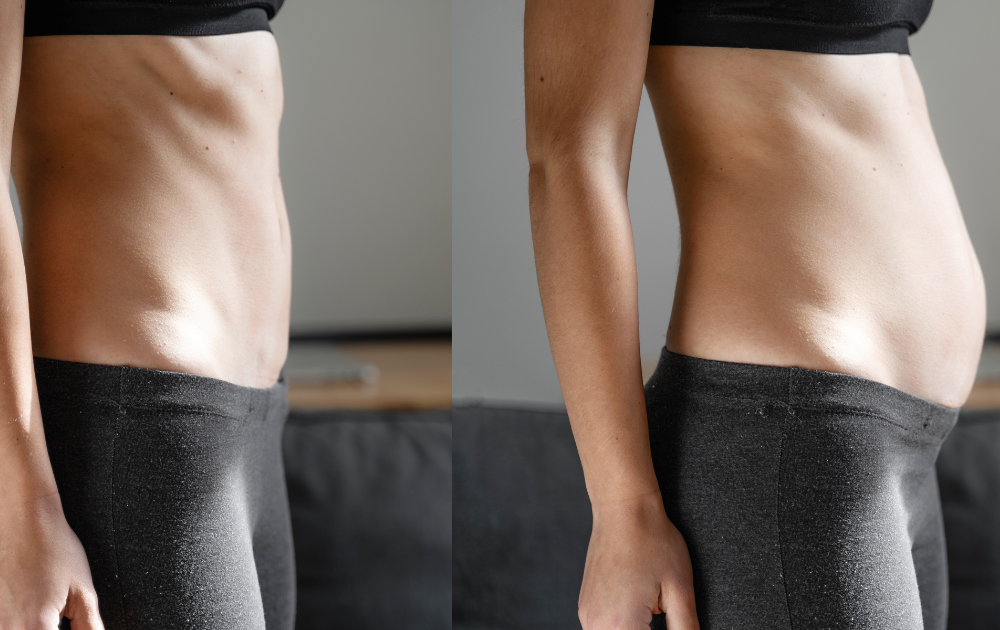
For me, an additional symptom was such extreme abdominal bloating, so much so, that I felt that I could not take a deep breath.
My SIBO History
Prior to my SIBO diagnosis, I was diagnosed with high cholesterol (my total cholesterol level was about 250) as well as constipation. The cholesterol was determined to be hereditary and since overall, my cholesterol ratio was still within limits, the doctor just told me to watch my fat intake and exercise (FYI - Currently, science has proven that a high fat diet does NOT correlate with high cholesterol).
As for my SIBO symptoms, they consisted of pain in the upper abdominal area that could that felt like someone was taking their nails and scratching or ripping apart my insides. I was EXTREMELY bloated, so much so that I started only being able to wear elastic waistband pants (thank goodness that yoga wear is so acceptable!). I was miserable!
Testing for SIBO
After several visits to the GI doctor, colonoscopies and endoscopies, they could find nothing wrong. Although this was great news, it was still very frustrating.
The gold standard for the diagnosis of SIBO is a fluid sample taken from the small intestine and then this fluid is cultured. This is currently the gold standard test for bacterial overgrowth. To obtain the fluid sample, doctors pass a long, flexible tube (endoscope) down your throat and through your upper digestive tract to your small intestine. A sample of intestinal fluid is withdrawn and then tested in a laboratory for the growth of bacteria.
After doing my own research, I found that you could test for SIBO with a simple breath test. This type of noninvasive test measures the amount of hydrogen or methane that you breathe out after drinking a mixture of glucose and water. A rapid rise in exhaled hydrogen or methane may indicate bacterial overgrowth in your small intestine. Although widely available, breath testing is less specific than other types of tests for diagnosing bacterial overgrowth.
At the time, no one offered me the fluid aspiration and so I ended up doing a breath test.
SIBO Breath Test Results
The breath test which I took was a glucose test.
Here how the test works:
- You will provide a baseline breath sample. This may mean blowing up a balloon.
- You drink a sugar solution containing carbohydrates (glucose or lactulose), which is meant to react with your gut bacteria.
- You breathe into a breathalyzer, or special glass tube, which measures how quickly your gut is producing hydrogen and methane gas. Some tests require you to continue giving breath samples every 15-20 minutes.
- During the test, you will not be able to eat, drink, or sleep. You can’t exercise vigorously.
A methane-positive SIBO breath test usually indicates constipation-dominant IBS (IBS-C). Methane is produced when archaea (single-celled organisms similar to bacteria) consume hydrogen. Methane levels are considered abnormal if they reach ≥10 ppm (parts per million) at any point during the breath test. Abnormal levels of methane are indicative of intestinal methanogenic overgrowth (IMO).
Hydrogen is produced when certain bacteria consume sugars. Hydrogen levels are considered abnormal when they rise greater than 20 ppm (parts per million) from the baseline within 90 minutes. Abnormal levels of hydrogen are indicative of small intestinal bacterial overgrowth (SIBO). A hydrogen-positive SIBO breath test usually indicates diarrhea-dominant IBS (IBS- D). Hydrogen sulphide is produced when hydrogen sulphide-producing organisms consume hydrogen. Hydrogen sulphide levels are considered abnormal if they reach ≥3ppm (parts per million) at any point during the breath test. Abnormal levels of hydrogen sulphide are indicative of excess hydrogen sulphide.
You may have already guessed it but my SIBO test came back with a methane spike which indicated IBS-C.

SIBO Treatment
This is where my mistakes started happening. Instead of getting to the root cause, I was given the following therapies.
Antibiotic therapy
For most people, the initial way to treat bacterial overgrowth is with antibiotics. Doctors may start this treatment if your symptoms and medical history strongly suggest this is the cause, even when test results are inconclusive or without any testing at all. Testing may be performed if antibiotic treatment is not effective.
A short course of antibiotics often significantly reduces the number of abnormal bacteria. But bacteria can return when the antibiotic is discontinued, so treatment may need to be long-term. Some people with a loop in their small intestine may go for long periods without needing antibiotics, while others may need them regularly.
Doctors may also switch among different antibiotics to help prevent bacterial resistance. Antibiotics wipe out most intestinal bacteria, both normal and abnormal. As a result, antibiotics can cause some of the very problems they're trying to cure, including diarrhea. Switching among different drugs can help avoid this problem.
After my first course of the antibiotic Xifaxan (which at the time was a very expensive drug), I definitely felt better and thought I was cured. However, 6 months later, all my symptoms had returned. Back to the doctor, I returned for yet another round of Xifaxan. After the second round, I actually did not notice really any improvement.
Next, I tried the Physician Elemental Diet. You can read all about my adventures on my The Elemental Diet – Part 1 of 5, Elemental Diet Experiment – Week #1 Completed!, Week #2 on the SIBO Elemental Diet, Week #2 Failures on the SIBO Elemental Diet, Week #3 On The SIBO Elemental Diet as well as my SIBO Elemental Diet – Final Thoughts
The Physician Elemental Diet ended up giving me a rash and I ended up quitting before getting through the entire 21 day.
Again, the reason I did not improve with either antibiotics or the Elemental diet was that I still not gotten to the root cause of my SIBO. SIBO should not occur in a normal healthy individual. However, if low grade constipation has been occurring for several years, the slow and gradual backup can force the colon bacteria to be pushed into the small intestines, resulting in SIBO.

My Constipation History
For as long as I can remember, regularly going to the bathroom has always been a struggle. I would go regularly but would never fully "empty".
Fast forward to my 30s, and you can only imagine what 30 years of slight constipation can do to your intestines!
The GI doctors suggested that I take Miralax daily and to do a Miralax Colon Prep once a month. Did it help? Sort of. Although I would have a bowel movement every day, I still was not fully emptying.
So, the next test my GI doctor wanted to perform was for gastroparesis. Gastroparesis is a condition whereby for whatever reason, the stomach, small intestines or large intestines do not work properly and therefore, food does not moving through your GI at a normal rate.
The most common test to diagnose gastroparesis is a gastric emptying test. The gastric emptying study, also known as a gastric emptying scan, or gastric emptying scintigraphy is the most common test used to diagnose gastroparesis.
During this test:
- You will start by eating a light meal, often eggs and toast. The food will contain a small, harmless amount of radioactive material called a tracer.
- After you finish eating, you will lie down on an x-ray table.
- The radiologist will take images of your abdomen, using a scanning device.
- The radiologist will watch the movements of the radioactive tracer on a monitor. The tracer will show how food travels through your stomach.
- Additional images will be taken over the next few hours to see how long it takes for food to move out of your stomach and into your gastrointestinal tract.
- You will be allowed to get up and leave the exam room during this time period. Your provider will let you know when you need to return for imaging. It's usually at around 1, 2, and 4 hours after the first image was taken.
What were my test results? 4 hours after eating the eggs, only 18 % of the food had left my stomach.
The conclusion? A pretty severe case of gastroparesis.
After getting this diagnosis, I figured that there was nothing that I could do so I just had to learn to live with it. Since eating carbs always made me worse as well as large meals, I continued on my keto diet which consisted of small, nutrient-dense meals...Hence the beginning of My Crash Test Life!
High Cholesterol History
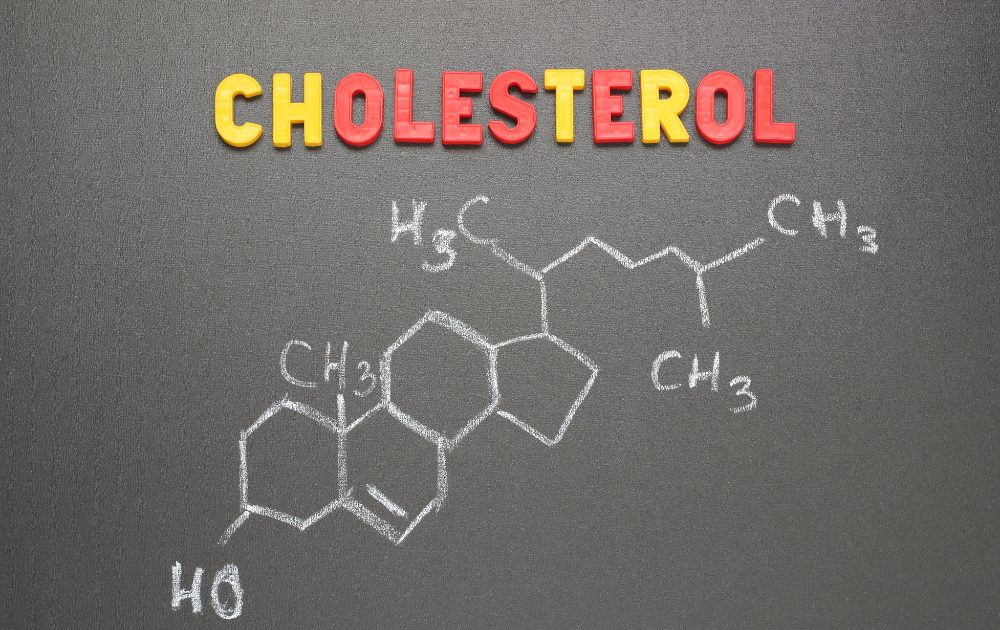
During this entire time that I had been suffering from both SIBO and Gastroparesis, my cholesterol levels kept slowly rising. My levels got so high (normal is under 200 and mine was 325!) that my primary care physician wanted me to go on cholesterol-lowering drugs!
I absolutely refuse to start taking drugs since I am only 45 and set out to figure out how I could lower my cholesterol. I tried a vegan diet and vegetarian diet and my cholesterol kept rising. I tried intermittent fasting along with 5-day fasts, all to no avail!
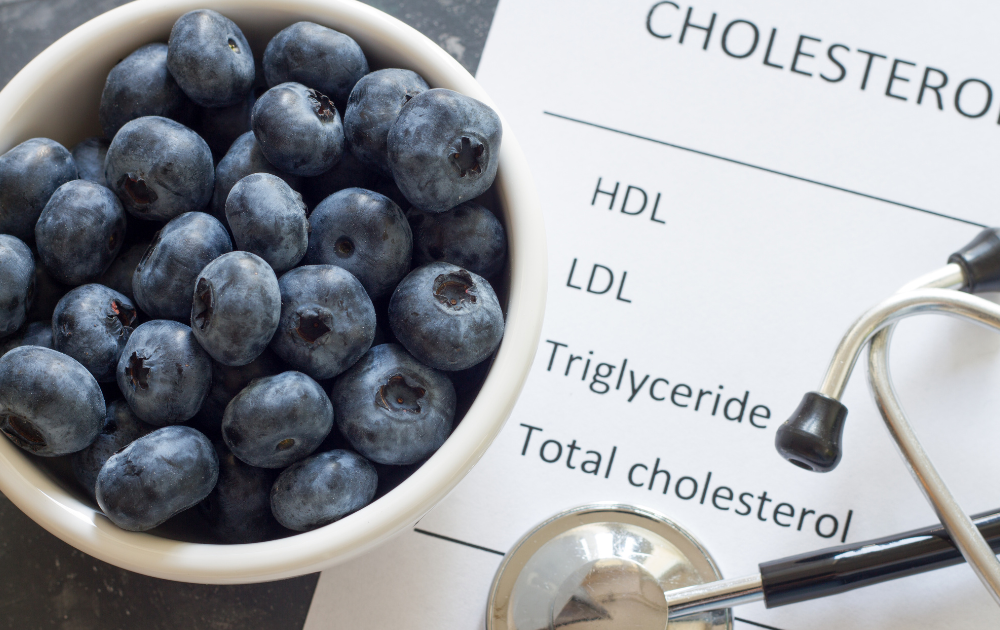
So, knowing that my SIBO was caused by my gastroparesis which was also causing constipation, I decided to see if that by chance, fixing the root cause of both of these two conditions would also help with my cholesterol.
How SIBO, High Cholesterol and Constipation are linked
First, I have to tell you that I am not a GI specialist or a primary care physician. I am a doctor of chiropractic medicine who believes in finding the root cause of disease in order to actually fix the problem. The following information is my own personal belief and is what helped me.
In my personal opinion, the years of chronic low-grade constipation caused an eternal backup to my GI system. This backup caused the bacteria from my large colon to be pushed up to my small intestine, all the way to my stomach.
When I would eat food, the "traffic" jam would start and heartburn, acid reflux, severe swelling of my abdomen as well as pain would ensue.
So, in my mind, I figured if I could get rid of my constipation, then there would no longer be a traffic jam and then I would be cured of my SIBO.
I set out to learn all I could about constipation and was amazed by how little I truly knew about fiber.
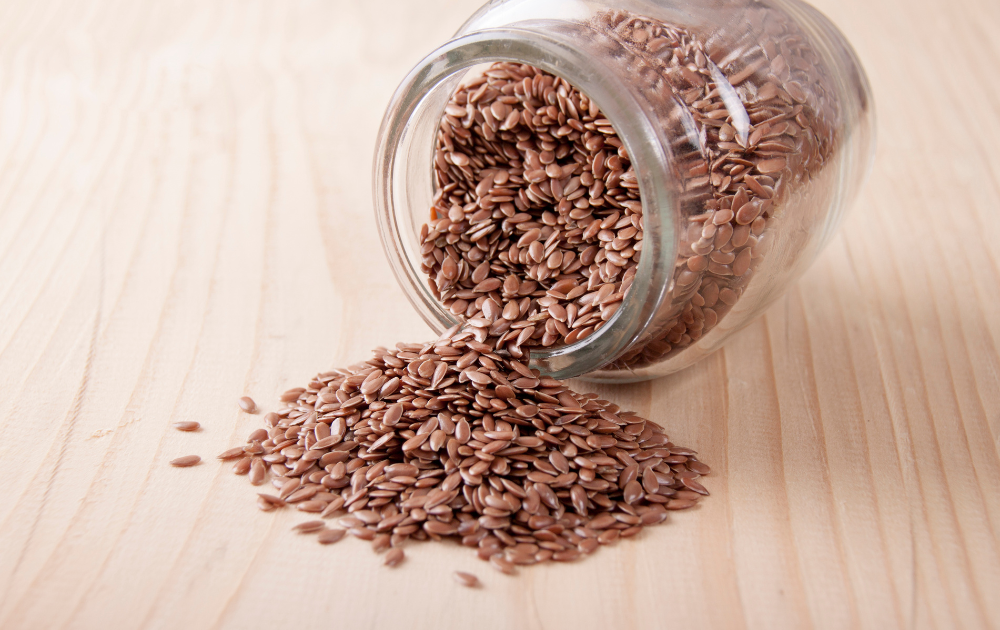
Constipation and Fiber
Most of us are aware that there are two kinds of fiber: soluble and insoluble.
Soluble fiber gives stool bulk. Foods that are good sources of soluble fiber include apples, bananas, barley, oats, and beans. Insoluble fiber helps speed up the transit of food in the digestive tract and helps prevent constipation. Good sources of insoluble fiber include whole grains, most vegetables, wheat bran, and legumes. Foods that have fiber contain both soluble and insoluble fibers.
The standard recommended amount of daily dietary fiber intake is a total of about 20 to 30 grams each day.
But did you know that for some people, that baseline is WAY TOO LOW! Plus, what the medical and dietary community has failed to mention is that under the two categories, insoluble and soluble fiber, there are actually a plethora of types of fiber that fit under those 2 general categories.
So, the mistakes I was making when it came to my fiber intake were only getting between 20-30 grams as well as only focusing on almond flour, coconut flour and low-carb vegetables like broccoli, cauliflower and lettuce.

Treatments that Fixed my SIBO, High Cholesterol and Constipation.
Ok...now that I finished my story, it is time to tell you how I relied most of my SIBO, High Cholesterol and my Constipation issues.
I will not tell you that I would consider myself cured. The term "cured" is too strong as I would actually say that I am about 90% improved and as long as I stick with my regimen, I have not experienced any pain or bloating for over 6 months. Plus, in the meantime, I have been able to drop my total cholesterol by 100 points which means that my cholesterol ratio has returned to normal!
Increased Fiber - I started off slowly and gradually increased my fiber intake to between 50-60 grams a day. Recipes like my Healthy Keto Blueberry Muffins – Nut-Free, High Fiber, High Fiber Breakfast Muffins – Low Carb, Gluten-Free and Nut-free as well as my Easy Keto Monster Cookies are all super high in fiber. Sometimes, I actually eat 2 muffins which pack in over 20 grams of fiber!
Variety of Fiber - I started incorporating a variety of fiber into my diet. I put a spoonful of Acacia fiber in my coffee each morning and then will sprinkle a mixture of psyllium, flax, nuts and seeds into all my salads (like my Keto Broccoli Salad with Maple Bacon Dressing). I also try to incorporate Oat Fiber into all my baked goods. Add different types of fiber helps feed the trillions of gut microbiomes to keep them good and strong and to help make sure that the bad gut bacteria from ever getting out of control!
Morning Coffee - This may come as a shock or surprise to you but 30% of people find that their morning cup of joe helps with regular bowel movements. Some small studies have shown that drinking coffee was more effective than warm water at inducing bowel movements. Scientists believe that coffee might stimulate this colonic motor activity within minutes of consuming it. They also have discovered that drinking coffee significantly sped up the time it took for the food to leave the stomach and enter the small intestine after mealtimes.
Intermittent Fasting - Migrating motor complex (MMC) is a distinct pattern of electromechanical activity observed in GI smooth muscle during the times between meals, like periods of fasting. Suboptimal MMC function is correlated with small intestinal bacterial overgrowth (SIBO). Fasting can improve gastrointestinal motility associated with the MMC, which allows intestinal contents to move efficiently through the GI tract. I currently tend to follow the OMAD (one meal a day) fasting method or a 20/4 intermittent fasting regimen. Also, not consuming ANY food after 6 pm or even earlier is also key for me to have regular bowel movements.

Curing SIBO
In conclusion, the only way to cure SIBO is to actually get to the root cause. Since SIBO is opportunistic, if you do not get to the root cause, I do not believe that you will ever rid yourself of recurring bouts of SIBO.
My personal belief is that SIBO occurs whenever there is slowed digestion. Whether it be gastroparesis, constipation or something else that is causing your GI tract to move slowly or be backed up, make sure that you get the test done to accurately diagnose your GI troubles. Only then will you be able to conquer SIBO!

In Summary
For Constipation -
- Slowly increase your fiber intake as well as the different types of fiber
- For some, having at least 1 hour of "coffee" time in the morning is an absolutely necessity for getting things moving and trust me, it is worth taking the extra hour even if it means going to be slightly earlier to wake up earlier
- Try to not eat late to allow the MMC to do its job
- Try OMAD or longer fasting periods
For Cholesterol -
- Adding fiber to your diet will definitely help with cholesterol but if your cholesterol is on the higher side due to heredity, you will need more than the standard 20-30 grams.
- It also traps cholesterol and prevents your body from reabsorbing it into your bloodstream which will lower your overall cholesterol levels
- Cardio exercise of at least 150 minutes a week is a must
For SIBO -
- Start by starving the bacteria with a keto or low carb diet
- If your SIBO is really bad, you may need to do a course of antibiotics to get ahead of it.
- If you do not want to go the antibiotic route, you can try a natural SIBO remedy of 2 capsules twice daily of the following commercial herbal preparations; Dysbiocide and FC Cidal (from either Biotics Research Laboratories or Amazon) or Candibactin-AR and Candibactin-BR ( from either Metagenics or Amazon) for 4 consecutive weeks immediately followed by a repeat
- If these do not help with your symptoms, try to dive deep into the "why" of the problem - Once you figure out why you got SIBO in the first place, focus on resolving that issue and the SIBO symptoms will hopefully also be resolved.

Cat says
Have you tried Betaine HCL? I have been using it recently and it has been a GODSEND! My blood type is A and genetically, I do not produce as much stomach as I should and therefore end up with SIBO. The acid in your stomach is what starts moving your GI system and helps you to poop. Taking Betaine HCL throughout the day and as soon as I wake up has really helped me. Let me know if you have any additional quesitons as I would love to brainstorm with you!
Barbara says
Thank you so much for this. I was diagnosed in 2021 with SIBO. I did a 8 month protocol but still had SIBO (methane and hydrogen) After that I was diagnosed with mold toxicity (aspergillis) plus parasites and candida. My symptoms have improved greatly but since having a good cholesterol blood result in 2021 my cholesterol as of Jan 2024 my total cholesterol has increased 39% and 67% for LDL. I am not overweight, I exercise, I do not smoke or drink alcohol and do not eat a lot of carbs or processed food. I was at a loss as to why my cholesterol readings were so high. I just know my Dr. is going to want to push cholesterol meds on me. She insisted I take PPIs before I was diagnosed with SIBO and in one week I was a mess from those. I have struggled more with constipation and IBS my whole life.
Cat says
I am so sorry that you are going through the same thing but am glad that you found this blog post to be helpful. I can honestly say that after living with pain for so many years, I am finally feeling so much better. Don't get me wrong, I still have my not-so-good days but I would say that 80% of the time, I am virtually pain free! Definitely think that constipation encourages my SIBO so as long as things are moving, my SIBO doesn't affect me! IF you end up with things that help that are not in my post, PLEASE send me a message so I can add it to my post for others!
Lia says
Thank you for posting this. My experience is almost similar and you have joined the dots for me. I am working with a naturopath. Once I get through this initial phase using microbials, I am looking forward to using the recipes.